
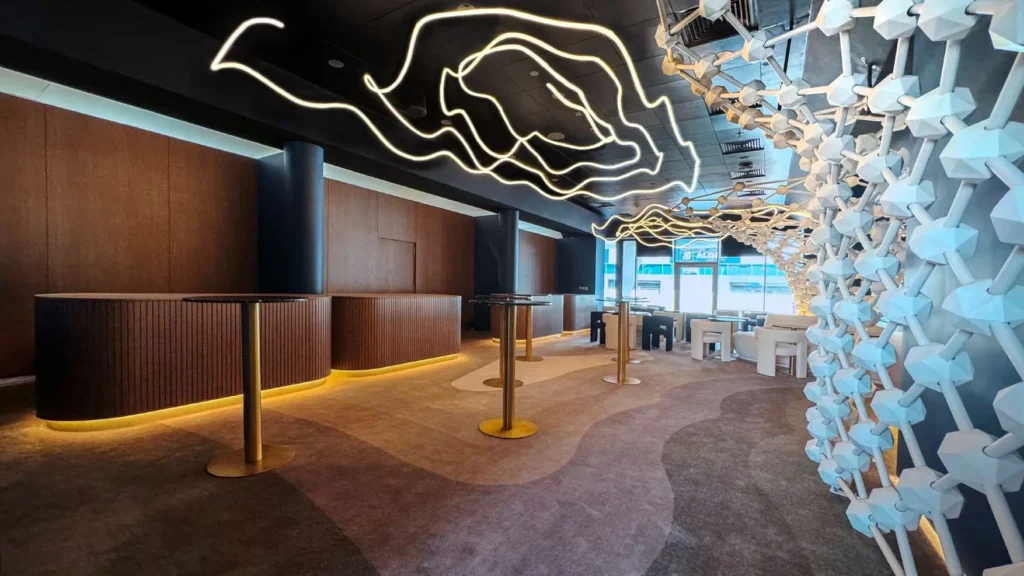
Dubai is globally recognized for its luxury architecture, iconic skylines, and world-class hospitality. In such an environment, design is not just about functionality—it is about making a statement. One of the most powerful yet understated elements shaping premium spaces in Dubai today is 3D sculptural art.
Sculptures as Architectural Statements
In luxury hotels, corporate headquarters, villas, and public developments, sculptures act as visual anchors. A well-placed sculpture instantly communicates prestige, creativity, and exclusivity. Unlike paintings or decorative objects, 3D sculptures interact with space, light, and movement, becoming an integral part of architectural storytelling.
Dubai’s developers and designers increasingly use sculptures to differentiate their spaces. Whether it’s a monumental bronze installation in a hotel lobby or a modern geometric form in a corporate atrium, sculptures transform empty areas into experiences.
Enhancing Brand Identity
For commercial spaces, sculptures are more than art—they are branding tools. Custom sculptures allow businesses to visually express their values, heritage, or innovation. A corporate office featuring a bold, abstract sculpture sends a message of confidence and forward thinking, while organic sculptural forms in resorts evoke relaxation and harmony.
Luxury brands understand that visitors remember experiences, not just interiors. Sculptural art becomes a signature element that guests associate with the brand long after leaving the space.
Customization for Exclusive Spaces
One of the key reasons sculptures are thriving in Dubai is the demand for bespoke design. Custom 3D sculptures are created specifically for a site’s dimensions, lighting conditions, and architectural language. This ensures perfect visual balance and exclusivity—no two projects are ever identical.
Materials such as bronze, stainless steel, fiberglass, and mixed media allow designers to create pieces that withstand Dubai’s climate while maintaining premium aesthetics. The result is art that is both durable and luxurious.
Public Art and Urban Impact
Dubai’s public spaces are evolving into open-air galleries. Sculptures placed in plazas, waterfronts, and commercial districts contribute to cultural identity and tourism appeal. Public art installations often become landmarks, attracting visitors and increasing foot traffic in surrounding areas.
These sculptures humanize large urban developments, creating emotional connections between people and spaces. They turn ordinary locations into memorable destinations.
Investment in Long-Term Value
Unlike temporary décor trends, sculptures offer long-term value. High-quality sculptural installations age gracefully and retain their artistic and financial worth. Many property developers see sculptures as investments that enhance property value and market perception.
In luxury environments, the presence of sculptural art signals attention to detail and commitment to excellence—qualities that attract high-end clientele.
Conclusion
In Dubai’s competitive luxury landscape, 3D sculptures play a crucial role in shaping unforgettable spaces. They elevate interiors, strengthen branding, and create emotional engagement. As architecture continues to push boundaries, sculptural art remains a timeless element that defines sophistication, creativity, and identity.